How WES and AMRs Create the Future of Warehousing
Today’s supply chains face an unprecedented challenge: growing order volumes, labor shortages, and shifting customer expectations. Traditional warehouse systems, built around rigid automation or manual workflows, can no longer keep pace. The answer lies in the powerful combination of Warehouse Execution Systems (WES) and Autonomous Mobile Robots (AMRs).
Together, they deliver a scalable, flexible, and intelligent warehouse ecosystem designed for growth.
The New Reality of Warehouse Operations
E-commerce and omni-channel distribution have rewritten the rules. Seasonal peaks, SKU proliferation, and next-day delivery commitments demand more from fulfillment operations than ever before. Static systems whether fully manual or heavily mechanized struggle to keep up.
To thrive, warehouses need systems that are:
- Dynamic: able to adapt to constantly changing orders
- Flexible: scalable without major infrastructure redesign
- Intelligent: driven by real-time data and predictive analytics
WES: The Brain of the Operation
A Warehouse Execution System serves as the orchestration layer, bridging the gap between Warehouse Management Systems (WMS), warehouse controls, and automation technologies.
Key capabilities include:
- Real-time prioritization and task sequencing
- Intelligent resource allocation across labor, automation, and robotics
- End-to-end visibility of throughput, bottlenecks, and equipment health
With an intelligent WES, operations run smoothly even during peak surges, ensuring consistent throughput and on-time fulfillment.
AMRs: The Muscle of Modern Warehouses
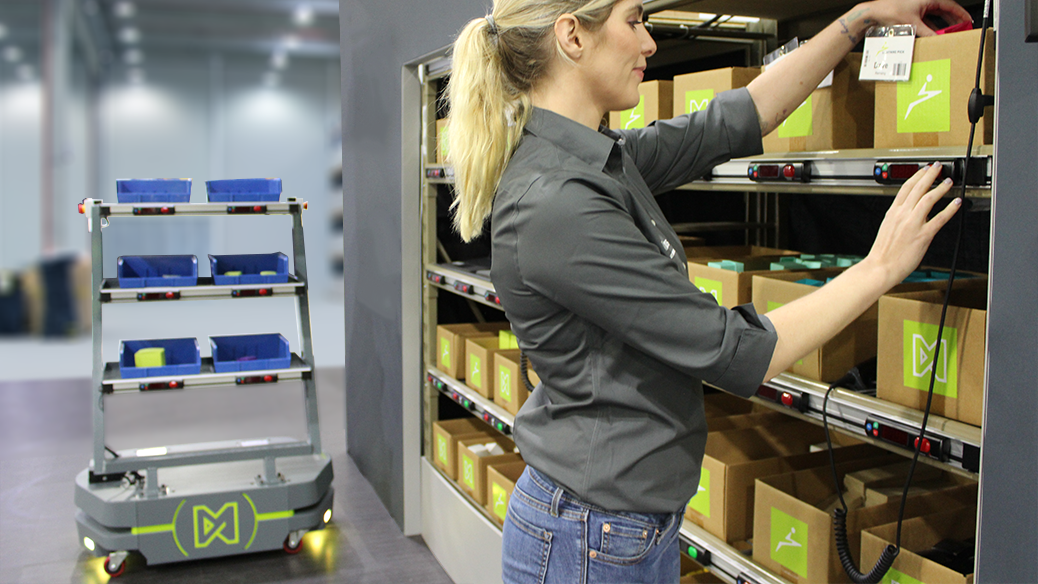
Autonomous Mobile Robots deliver the flexible movement of goods—handling replenishment, zone transfers, picking support, and order consolidation. Unlike fixed conveyor systems, AMRs can be scaled up or down quickly, deployed in existing facilities, and re-tasked as business needs evolve.
AMRs bring:
- Rapid deployment without major infrastructure changes
- Scalable fleets that grow with demand
- Reduced reliance on scarce labor
Where Intelligence Meets Automation
The real transformation happens when WES and AMRs work together. This integration unlocks:
Dynamic Workflow Optimization
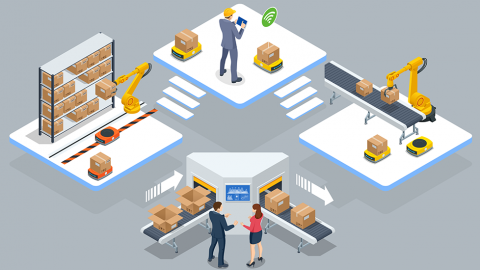
WES allocates tasks in real time, directing AMRs to where they are needed most—whether replenishing fast-pick zones or clearing congestion.
System-Wide Visibility
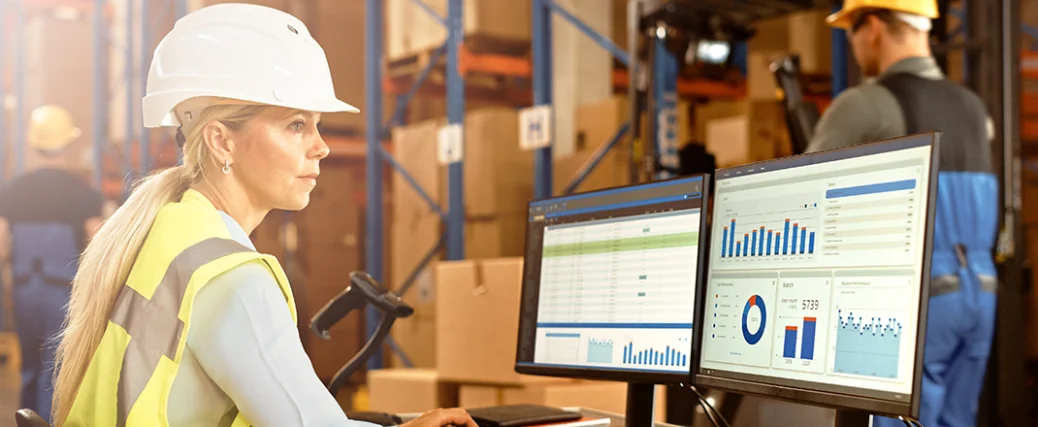
Managers see both equipment performance and AMR fleet health from a single dashboard, with predictive insights to maintain continuous flow.
Seamless Multi-System Coordination
Conveyors, AS/RS, robotic arms, and AMRs no longer operate in silos. WES ensures they interact as a cohesive, synchronized system.
Scalable Growth with Resilience
As fleets expand from a few robots to hundreds, WES ensures workloads remain balanced, throughput is protected, and the customer promise is met.
The Business Impact
By uniting WES and AMRs, businesses can achieve:
- 40–60% faster fulfillment cycles
- Reduced labor dependency and costs
- Improved uptime and system reliability
- A future-ready operation capable of scaling with demand
The Path to a Scalable Future
The warehouse of tomorrow is not defined by more automation alone, but by the intelligent integration of software and robotics. Warehouse Execution Systems provide the brains, while Autonomous Mobile Robots provide the brawn. Together, they form a scalable, resilient foundation for modern fulfillment.